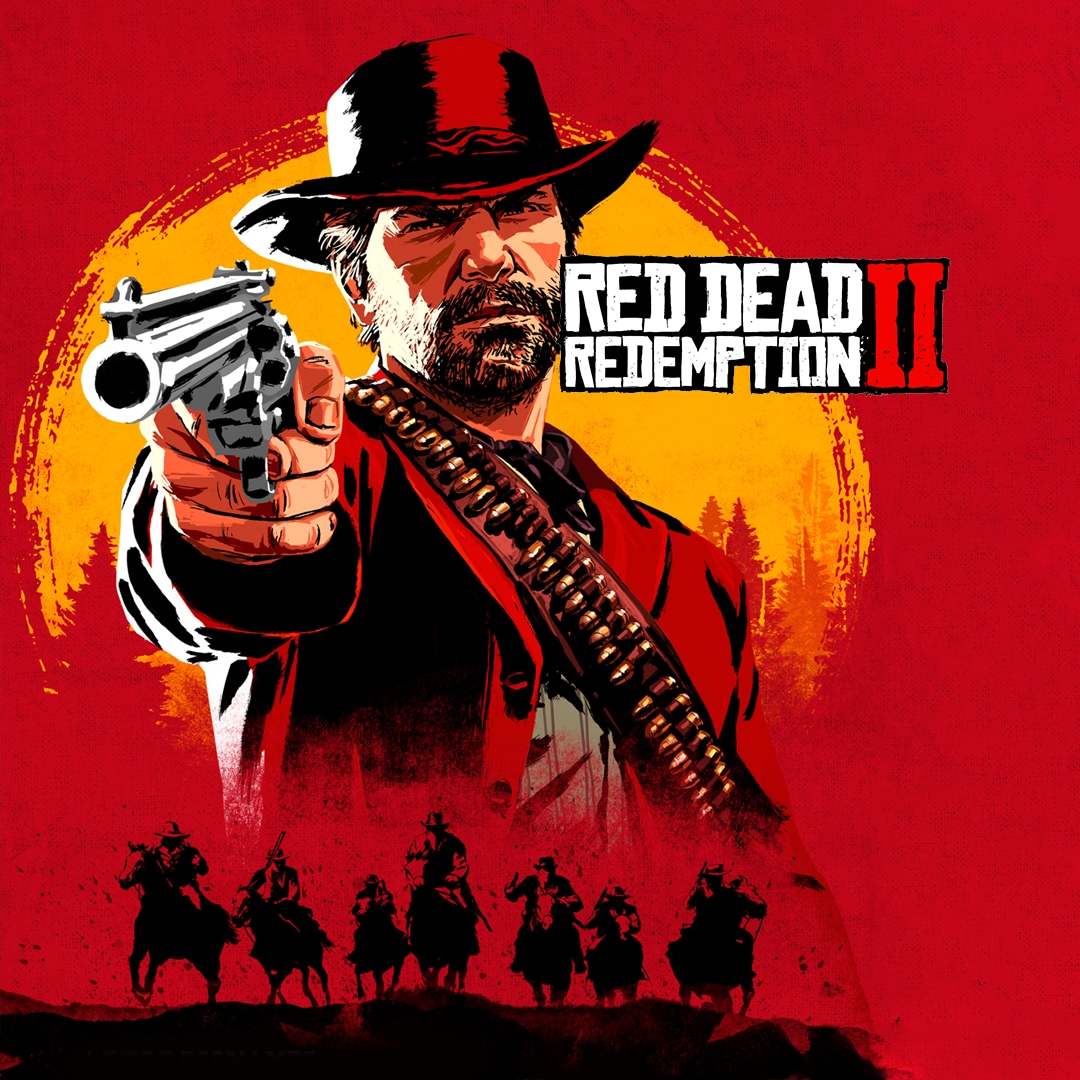
Yes, I do realize this blog is about “Comics and the Graphic Novel”. And yes, I also realize that Red Dead Redemption II is a video game. But I feel video games and comics go hand-in-hand. I also just really wanted to write about this topic. If you have a problem with that, then this blog ain’t big enough for the both of us, partner.
To start out with, let me tell you what Red Dead Redemption II does wrong: not much. I must admit the movement and physics feel a bit outdated and clunky, as if Rockstar has been using the same game engine with very few changes or improvements for the past decade. Moving your character and his horse around can feel a bit stiff and lead to frustration at times. Another complaint involving the gameplay is that there are stretches that feel like you’re just moving from shooting gallery to shooting gallery, taking cover and firing at one gang of outlaws after another. As I type this out, I realize that the two gameplay complaints are a pretty big deal, but I am still blinded by my love for this game. One final complaint involves the fact that you can’t ride a buffalo. This has been a dream of mine ever since I watched the video below. While it may not likely happen in the real world, Red Dead is one of the few video game franchises that can potentially offer this option.
Now that we’ve covered the bad and the ugly, let’s get to the good. Red Dead Redemption II is more than just a video game. It’s a video game with a storyline so beautifully written, it could (and should) be a movie. Critically acclaimed western movies have made their way back to the big screen in the past few decades, but all pale in comparison to the plot of this game. There are numerous twists and turns with betrayal around every corner, so you’d better saddle up for this bucking bronco. You will cry tears the size of Texas before finishing the main story. Even though he’s a classic cowboy tough guy, you gradually become connected to the main character Arthur Morgan. You also form a bond with the horses you ride, with each one starting out as a wild stallion and being groomed into a noble steed. The soundtrack is breathtaking and very fitting for the setting. There is a surprise musical appearance from D’Angelo which was completely unexpected, but trust me, it works. Aside from the main story, the world is huge with plenty of side missions and easter eggs for hours upon hours of gameplay.
This game came out at the perfect time for me. I caught a cold that turned into a nasty flu that lasted over a month. I struggled making it to class and work every day. But when I got back to my dorm, I had Red Dead to look forward to. (Spoilers Ahead) About halfway through the game, Arthur gets tuberculosis. I found his symptoms to be oddly relatable, and as my dry cough worsened, I wondered if I had something more than just the flu. As Arthur and I hacked up our lungs through the game, it became clear there wasn’t going to be a fairy tale ending in the unforgiving west. My condition started to gradually improve while Arthur’s worsened. I hoped that he would never yee his last haw, but time was hot on the heels of his boots. You choose Arthur’s final actions, either selfish or selfless, but both end in his demise. Red Dead Redemption II does have its flaws when it comes to gameplay, but it has been quite some time since a video game’s story made me feel how I did at the end of this epic western. For that, Red Dead gets 10 out 0f 10 yee-haws.

 ENGL 218 (Comics and the Graphic Novel) at Haskell Indian Nations University